Robotics startup Eka closed a $150 million Series A at a $1.45 billion valuation, led by a16z and F-Prime. This is a unicorn on a Series A, for hands…
Okay, but does it actually work?
Eka says its robot picks up about 1,500 objects per hour (each up to 1 kg), versus about 600 for a human, and succeeds more than 95% of the time. Those are company figures, and the work is in confidential pilots for now.
What’s different here?
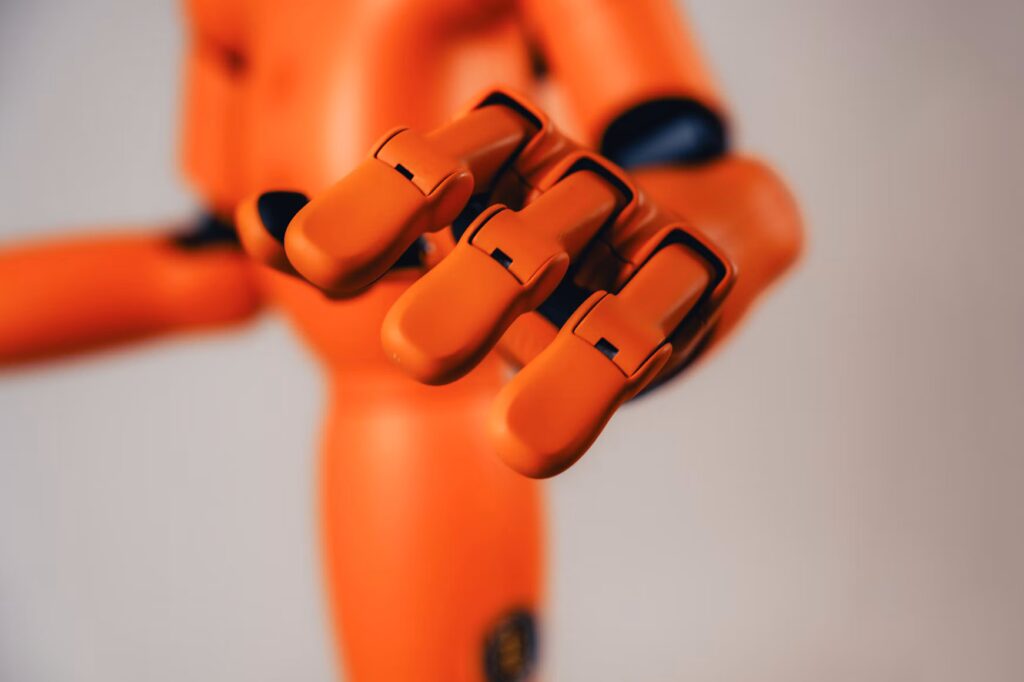
Most robot AI models pair vision with language while Eka uses vision plus force. The camera roughly finds the object, and touch sensing handles the grab. It trains in physics simulation, which it says can generate thousands of hours of robot practice in minutes. Its custom gripper costs under $1,000.
The catch?
University of Illinois professor Kris Hauser praised how it adapts to new objects without retraining, but flagged the hard parts: surviving a year on an assembly line, and doing anything beyond pick-and-place. The gripper is rated for 5 million cycles; the industrial standard is 20 million.
Why it matters
Warehouses and factories are where AI could hit the physical economy first. This is where reliability matters more than demos.