On Friday, OpenAI launched ChatGPT Wallet, which lets its AI agents (called “dots”) pick out products and pay for them on your behalf.
It’s playing catch-up. Meta’s rival agent, Muse, reportedly has 10m+ users, and shopping is already one of the top things they use it for.
Wait, I’m handing a chatbot my credit card?
Sort of.
So how does a robot pay for stuff?
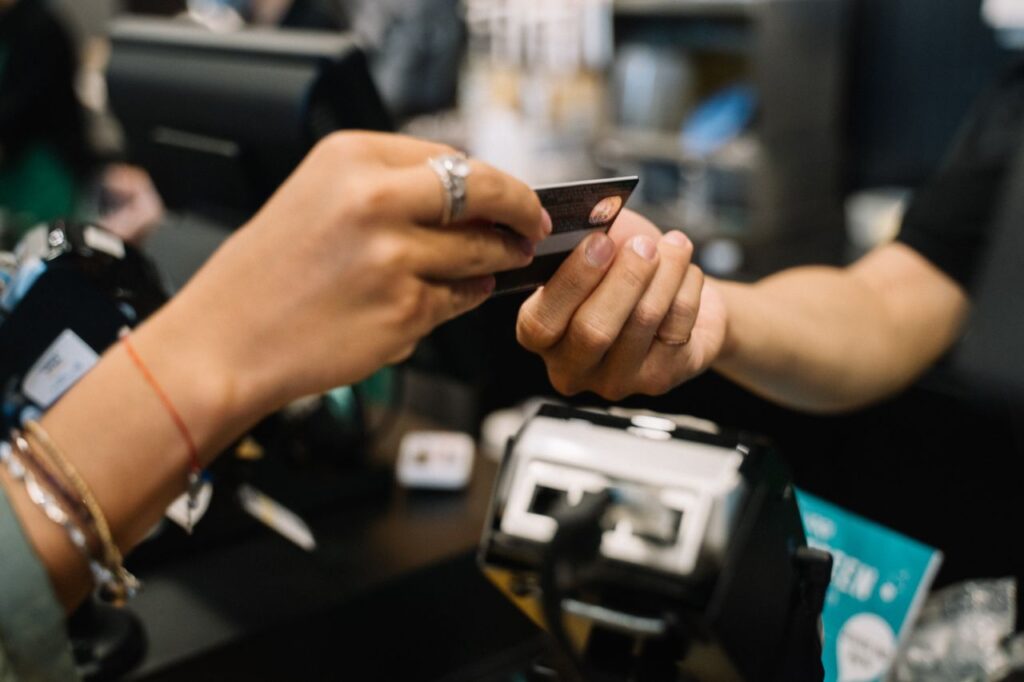
Tokens, essentially. You add a card once. At checkout, Wallet pays with a payment token (aka a stand-in for your real card number), so neither the dot nor the store ever sees your actual digits.
Before anything ships, you review the items, the total and the card, then approve with Face ID or a fingerprint. You keep your card rewards and your right to dispute charges.
For now, it’s only open to a limited number of US ChatGPT Pro subscribers, 18 and up, with a US-issued Visa, Mastercard or Amex.
But the stores have to let the robots in
Plenty of retailers block AI agents. Amazon, the biggest of them all, bans them outright and steers shoppers to its own Alexa agent instead.
And even where agents can shop, DoorDash and Uber say few people are actually letting them.
Spending limits and pre-approved purchases are coming, OpenAI says, plus a “Commerce Partner Playbook” to coax more stores aboard.
So OpenAI wants to be the checkout line for the entire internet. Today, it’s a personal shopper that needs your thumbprint for every pack of gum.