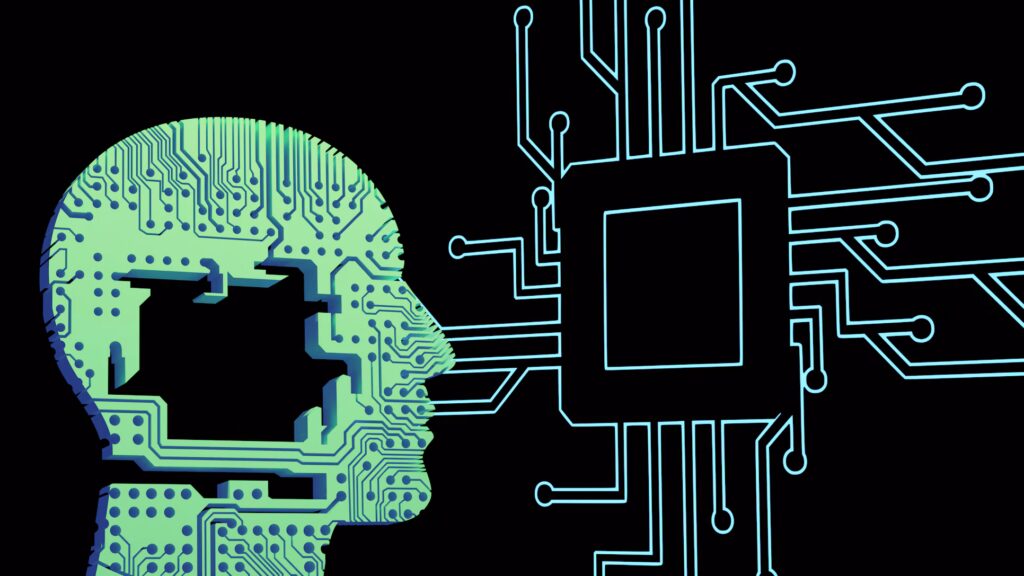
MIT CSAIL researchers posted a study on what they call “Weight-Space Programming.” A frontier model (GPT-6 Astra) read and rewrote another AI’s insides directly, without any normal training.
Weights? Like at the gym?
An AI model’s “weights” (also called parameters) are the billions of numbers that hold everything it has learned. Normally you change them by training on mountains of data. Here, Astra just looked at the numbers, reasoned about what they do, and edited them by hand. Think of it as fixing an engine by reading the blueprints instead of running it.
Okay, but does it actually work?
On a small model called Qwen3.5-0.8B, which tends to get stuck in reasoning loops, Astra changed just 0.016% of its weights. The authors report a math-test score jumping from 7.9% to 48.1%, and grade-school math from 13.8% to 67.1%. In a simpler game test, one edit took a stalled virtual car from 0 successes to passing all 1,024 test runs.
The catch?
Plenty, and the authors say so. Most tests used tiny networks, and many were one-off runs. The Qwen result fixed one specific bug (looping) and didn’t add new skills. When they tried the same trick on a different small model with no such bug, it barely moved. This is also the authors’ own blog post, not a peer-reviewed paper, though they released logs so others can check.
Why it matters
If AI can read and repair other AIs from the inside, debugging and safety checks could get much faster someday. It’s a cool proof-of-concept, not a revolution yet.