On Thursday, Google booted up an AI chip in orbit, sent it a prompt, and got back a poem. Sundar Pichai called it a “‘hello world’ milestone for Project Suncatcher.” Space data centers: now with verse.
Wait, why is there an AI chip in space?
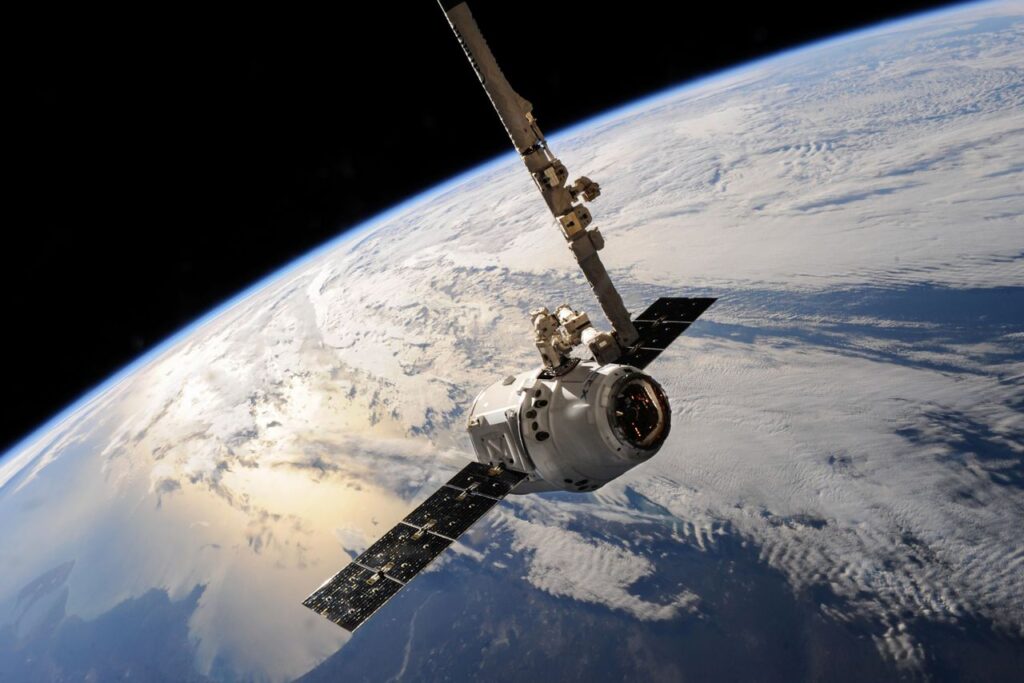
Project Suncatcher is Google’s moonshot to eventually run AI computing in orbit, where solar power is plentiful. The prototype satellite, built with Planet, launched October 1 on SpaceX’s Transporter-18 mission and carries four Google TPU chips (Google’s custom AI processors).
During a pass over Svalbard, Norway, the team ran Gemma, Google’s small open model, which wrote a haiku about being in space. It ended with “Starlight feeds my core.” The team also tested space-themed limericks, because of course they did.
Okay, but is this useful?
Not yet. This is a “does it turn on” test. Next, Google will study how the chips handle heat and radiation over longer periods, and plans two more satellites in 2027 to test laser links between spacecraft. Google also isn’t first: Starcloud flew an Nvidia H100 in orbit in November 2025.
Why it matters
With Big Tech spending hundreds of billions on Earth-bound data centers (see above), putting compute where the sun never sets is a real, if very long-term, idea. If you ask us, it’s a moonshot with a sense of humor.