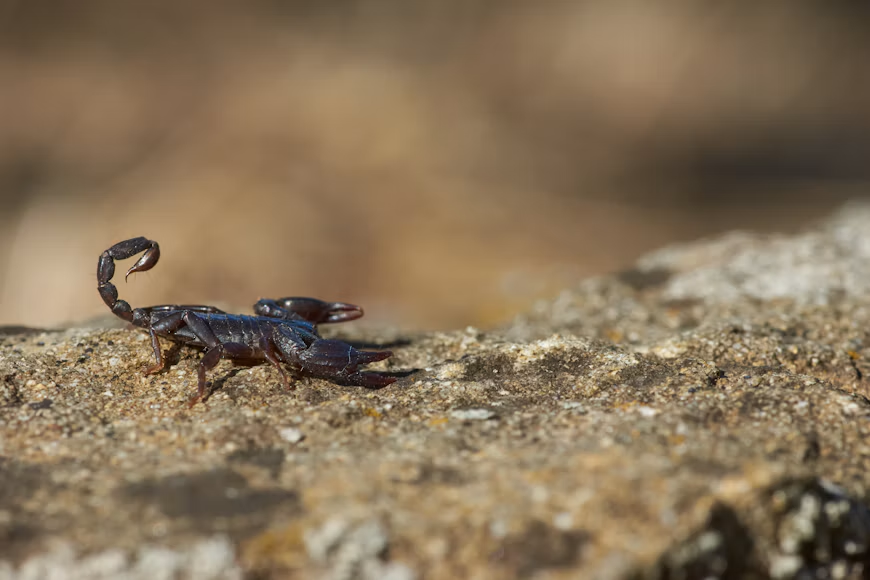
Two stories this week show AI labs going full lab coat. OpenAI is buying Orchestra Bio, and Anthropic says Claude ran most of a protein-design project aimed at scorpion venom.
Who’s Orchestra Bio?
It’s a platform that helps biopharma teams coordinate drug development. OpenAI plans to fold it into Rosalind, its life-sciences models and tools. No price disclosed.
Scorpions? Seriously?
Seriously. Anthropic says Claude ran much of a 64-hour campaign designing “binders” (proteins built to latch onto a specific molecule, here scorpion neurotoxins). Outside labs tested 211 designs; 17 met Anthropic’s bar for binding a single toxin. That’s about an 8% hit rate.
The catch?
Binding a toxin in a test isn’t the same as neutralizing venom in cells or animals, and that hasn’t been shown yet. It’s a promising first step, but not an antivenom.
Why it matters
Drug discovery is slow, expensive and full of dead ends. AI speeding up the “try a thousand ideas” phase is real progress, but the long, careful part of medicine, testing in living things, still runs on human time.